3 Exercises To Calm Your Anxious Thoughts
Sometimes deep breaths don’t cut it.
Psychology-backed exercises to calm you down that actually work when you’re experiencing highly anxious thoughts, compulsions to do something you know you shouldn’t, or general ruminating thoughts that won’t seem to go away.
If you or someone you care about is in crisis or experiencing an emergency, help is available. Speak with someone today.
988 Suicide and Crisis Lifeline
Languages: English, Spanish
Hours: 24/7
When you Google “exercises for anxiety”, many articles will recommend taking deep breaths or breathing exercises, like the 4-7-8 or square breathing techniques, progressive muscle relaxation (PMR), or visualization and journaling.
The problem is when you’re high functioning with anxiety, you probably have a great imagination which means you’re already good at visualization, maybe even great at it. So great, that you’re adept at imagining the worst outcomes.
So taking deep breaths and trying to ground in visualizations that feel fake doesn’t help us. If anything, it might make things worse, deterring you from trying similar techniques or stopping your practice to act on those anxious thoughts.
What can you do instead?
😫
What can you do instead? 😫
Physical Movement
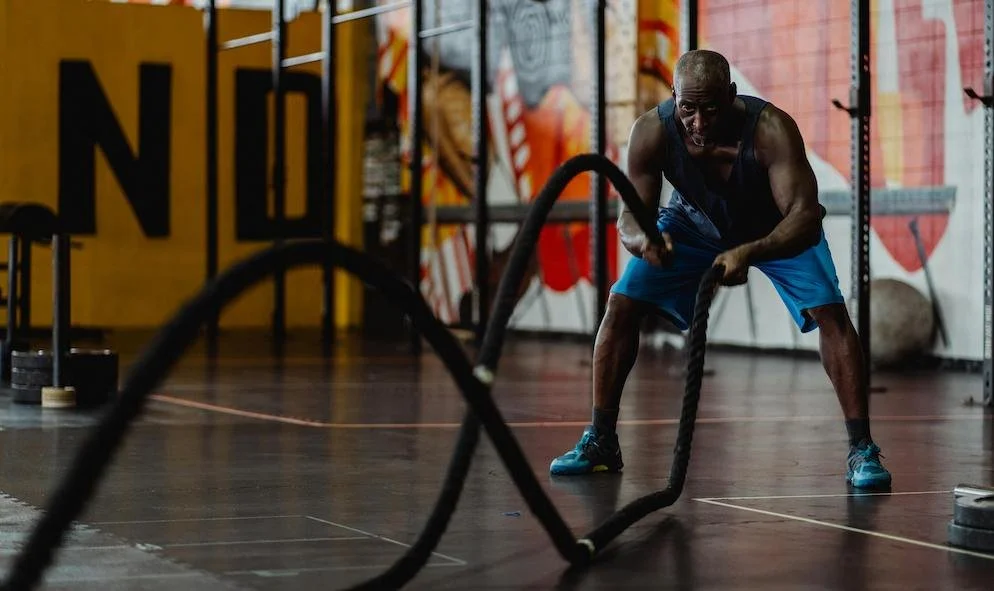
Anxiety is like trapped energy with nowhere to go so when you move, even just a little, you release tension and pent-up energy. Whether it’s a simple as taking a walk or dancing to actually driving to the gym and working out. Your brain will be too focused on the actions that require focus—locating your shoes, finding your keys, choosing a playlist, making room to dance, getting in your car and driving—to replay those anxious thoughts. So move your body when you start to feel anxious.
Walk. Run. Dance. Play with your pet. Stretch outside. Lift weights. Just don’t sit still.
Cold-Water Wake-Up Call
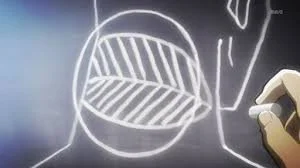
This won’t feel great, but splash your face with cold water or place a bag of ice on your face. Sudden exposure to cold stimulates your vagus nerve, the most important cranial nerve which runs from your brainstem to your heart, lungs, digestive system, and other parts of your body.
Like the titans in AOT, the vagus nerve is located under the nape of the neck and controls essential functions like blood pressure, breathing, digestion, heart rate, and speech.
Stimulating it with cold water or an ice pack slows your heart rate and redirects oxygen to vital organs. It can even release endorphins—the body’s “feel-good hormones”—and promote overall health and wellbeing.
Sing, play music, hum or chant
One of my favorite ways to combat anxious or ruminative thoughts is to sing and play music. You can also chant, hum, or repeat the same word, phrase, or sound with a steady rhythm. The vibrational sounds can calm your mind, body, and spirit. Before long, your focus shifts to the sound of your own voice and you’ll feel stress and anxiety fade away.
I recommend the songs listed on the Affirmations by Emotional Vibration practice. Singing, humming, or playing music can calm anxiety by activating your parasympathetic nervous system, reducing cortisol (the stress hormone), and triggering the release of feel-good hormones like oxytocin (the love hormone).
If you found this article helpful, follow us on Instagram for more updates!